
612.444.8049

Moving from North Dakota to Minnesota: Trading Plains for the City

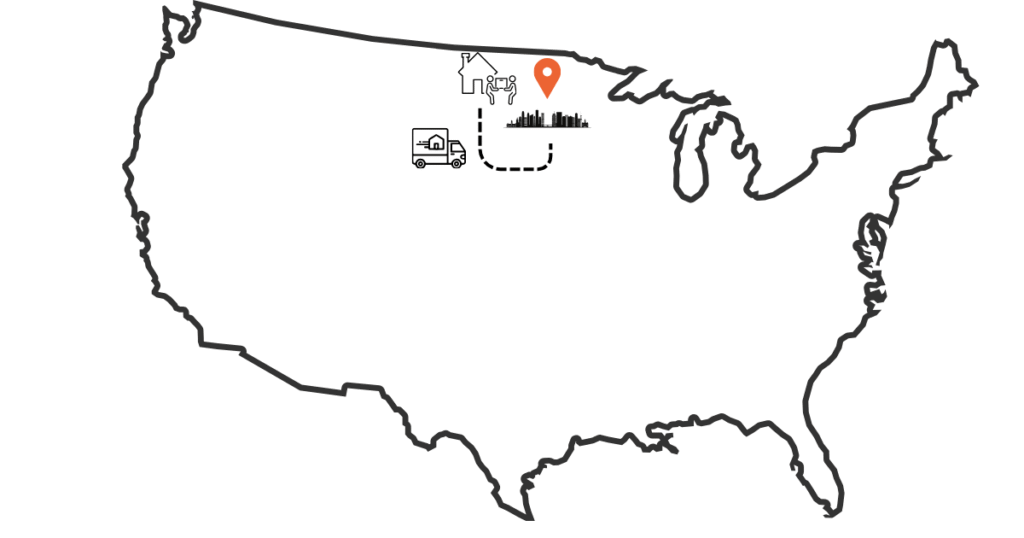
Illustrated map showing a move from North Dakota to Minnesota with a moving truck and city skyline icons

The move from North Dakota to Minnesota is a short one geographically but a meaningful one in terms of what your day-to-day life looks like.

Why People Are Moving from North Dakota to Minnesota

North Dakota has real strengths — affordable housing, tight-knit communities, no state income tax, and strong oil and agriculture economies in certain areas. The state has a lot going for it.

But it doesn’t have a major metro, and for a lot of people, that eventually matters.

The most common reasons people make this move:

  • Career growth and industry diversity. The Twin Cities job market is significantly broader. Healthcare, finance, tech, retail, food and ag, education — the range of employers and industries here is something North Dakota’s markets simply can’t match.

  • City scale and energy. Fargo is growing and has more going on than it used to, but Minneapolis and St. Paul offer a fundamentally different urban experience. More restaurants, more venues, more neighborhoods, more happening on any given Friday night.

  • Education and career pathways. The University of Minnesota and a robust private college system draw a lot of students from the Dakotas, and many of them end up staying after graduation.

  • Partnership and family. The Twin Cities have a large North Dakota transplant community. People follow people — friends, partners, family — and the connection between the two states is deep.

  • LGBTQ+ community and inclusive culture. The Twin Cities have one of the strongest and most visible LGBTQ+ communities in the Midwest, which is

💰 Cost of Living: Twin Cities vs North Dakota

Home Prices

Here’s where things shift. North Dakota is genuinely affordable — particularly in Bismarck and smaller cities.

  • Twin Cities median: ~$350,000–$400,000
  • Fargo metro: often $280,000–$360,000
  • Bismarck: typically $250,000–$320,000
  • Rent

    The rental market in the Twin Cities is more expensive than North Dakota’s.

    • 1-bedroom (Twin Cities): $1,200–$1,800/month
    • 1-bedroom (Fargo): $900–$1,300/month
    • 1-bedroom (Bismarck): $800–$1,200/month


The Twin Cities cost more to buy in. That’s real. But wages in the Twin Cities are typically higher across most industries, which helps absorb the difference.

One important note: North Dakota has no state income tax. Minnesota does. This is worth factoring into your overall financial comparison, especially if you’re evaluating job offers. Even so, many people find the benefits of metro living — better earning potential, more career optionality, and access to services — outweigh the tax difference.

Check out our full blog on cost of living in Minnesota, specifically Minneapolis and Saint Paul, from affordability and career opportunities to getting around and leisure activities.

Find out how much home you can afford in the Twin Cities

Use our home loan calculator to estimate your total mortgage payment, including taxes and insurance. Simply enter the price of the home, your down payment, and details about the home loan, to calculate your mortgage payment, schedule, and more.

❄️ Weather: You're Going to Be Fine

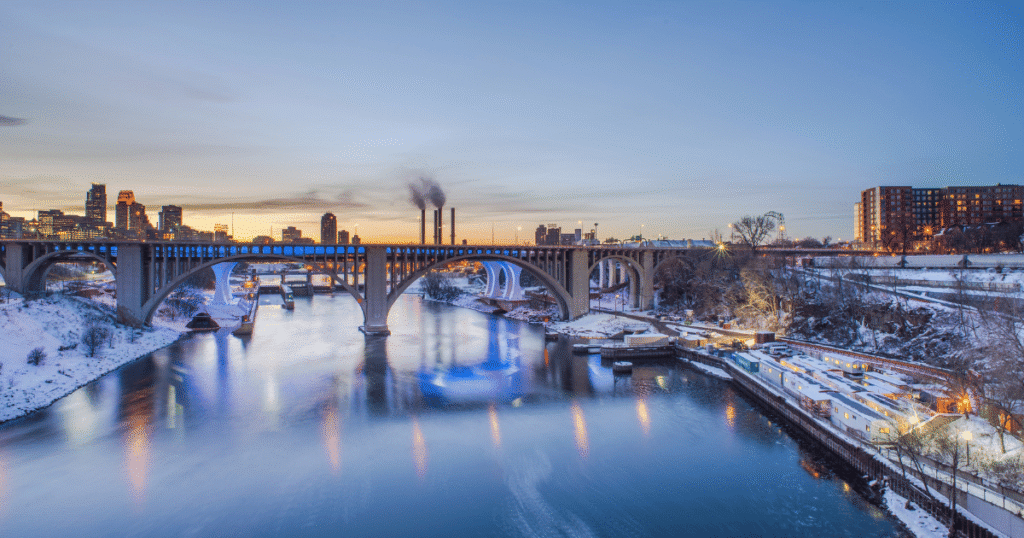
Minneapolis skyline in winter with snow and Mississippi River at sunset
Winter in Minneapolis featuring the skyline, Mississippi River, and snow-covered cityscape.

Let’s be real.

North Dakota transplants have the least to worry about when it comes to Minnesota winters.

The Twin Cities are cold. January averages in the low 20s with wind chills that push below zero. But Fargo is colder. Bismarck is colder. Grand Forks is noticeably colder. You’ve already been doing this.

The Real Comparisons

What’s actually better in the Twin Cities:

  • More to do indoors during the cold months (arts, restaurants, venues, the skyway system downtown)
  • Better snow removal and road maintenance at scale
  • More urban density means shorter distances to wherever you’re going
  • A larger social scene that doesn’t hibernate in January


What’s similar:

  • The cold is real and it stays
  • People dress for it and get on with their lives
  • Spring arrives and everything changes fast

If you’re coming from North Dakota, you’re probably the most winter-prepared person in your new friend group. That’s a good position to be in.

For a full seasonal breakdown, check out our Minnesota weather guide.


🏡 Finding Your Neighborhood in the Twin Cities

From Fargo: Fargo has a growing arts and food scene that skews young and creative. Northeast Minneapolis, Seward, and the North Loop will feel familiar in terms of energy. Suburbs like Shoreview or Blaine also draw a lot of Fargo transplants who want space and easy highway access.

From Bismarck or smaller cities: You might find yourself drawn to quieter neighborhoods with a sense of community — South Minneapolis, Highland Park in St. Paul, or suburbs like Roseville and Maplewood hit that balance well.

For students or recent graduates: Dinkytown, Stadium Village, and Marcy-Holmes near the U of M are natural starting points.

Looking for space: Brooklyn Park, Andover, and Coon Rapids have newer housing stock, larger lots, and more room than you’d get in the urban core — at prices that feel reasonable coming from a North Dakota market.

🏙️ What Stays the Same

The upper Midwest culture translates well. Minnesotans and North Dakotans share a lot — directness (in their own ways), work ethic, appreciation for the outdoors, and a tendency to build real community wherever they are.

You won’t feel like a stranger here. You’ll feel like the version of yourself that now has a lot more to do on weekends.


advanced divider

Thinking About Making the Move?

The Twin Cities offer a lot of opportunity.If you’re starting to think seriously about making a move, the best place to start is with a clear plan.

Find your place in the Twin Cities

Browse homes across Minneapolis and the Twin Cities based on your lifestyle and budget.

Keep Exploring Your Move

Get the full breakdown of neighborhoods, pricing, and what to expect when moving to the Twin Cities.

Moving from one of these states?

Checkout our other blogs with specific insights to your current state, from lifestyle differences to housing costs and day-to-day living in the Twin Cities.

MKT Real Estate Advisors is a top-producing real estate team with Coldwell Banker Realty, dedicated to helping clients buy, sell, and invest with confidence.

©2025. MKT Real Estate Advisors at Coldwell Banker Realty. All Rights Reserved.