
612.444.8049
Downtown Minneapolis
A local’s guide to the second-story city: where it came from, what it’s like to live on it, what it costs, and which homes plug right into it.
9.5 mi
Of enclosed walkways
80
Blocks connected
1962
First skyway built
By Josh, MKT Real Estate Advisors · Last updated October 2026
It’s January. It’s eight below outside. And one floor above Nicollet Mall, someone in a T-shirt is carrying an iced latte from one office tower to another without a second thought.
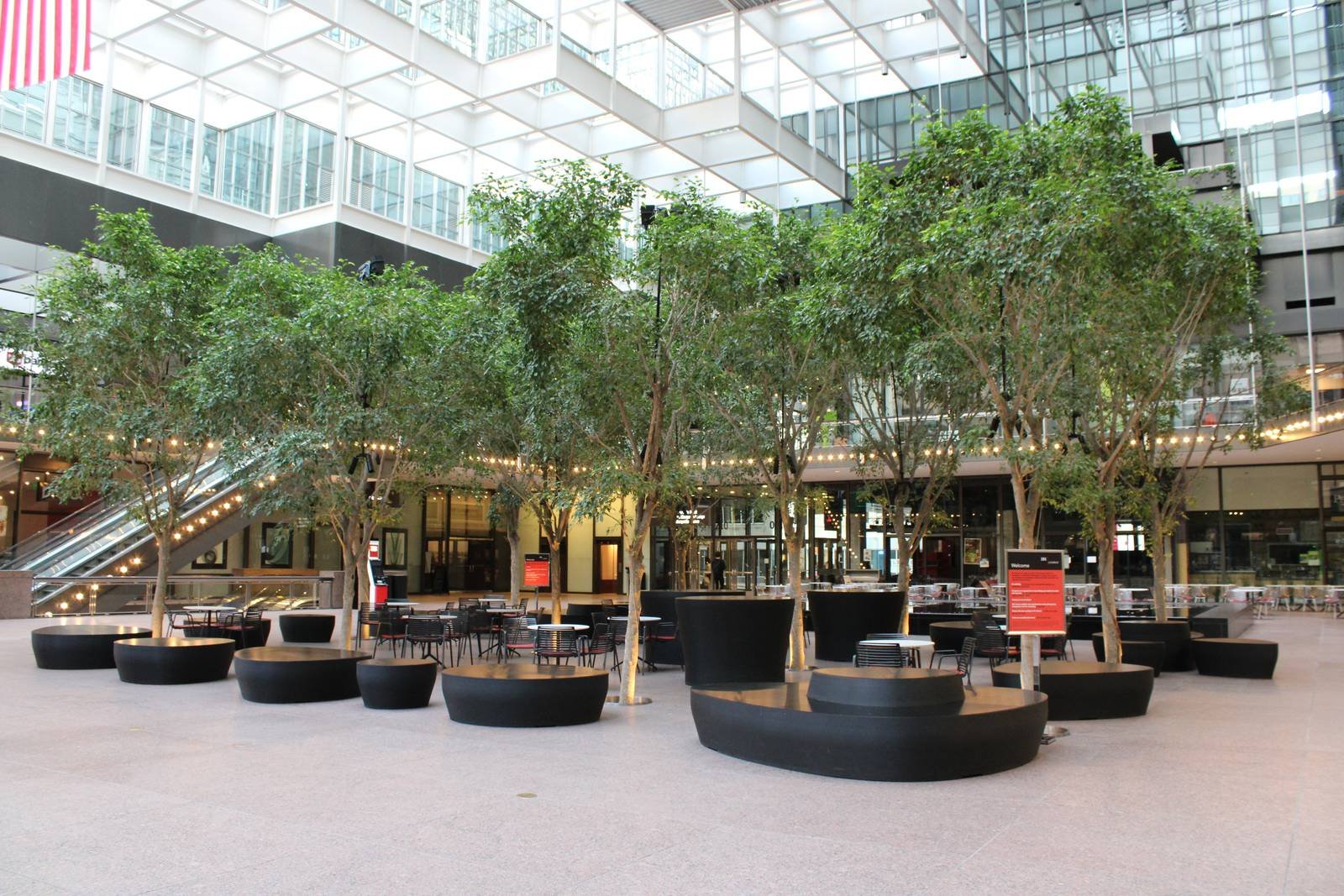
That’s the skyway. Locals use it so casually that it’s easy to forget how strange and wonderful it is: 9.5 miles of enclosed, climate-controlled walkways linking about 80 blocks of downtown Minneapolis. It’s often called the largest continuous system of its kind in the world.
For most people, the skyway is how they get from the parking ramp to the office. For a growing number of people, it’s part of home. Here’s where it came from, what it’s like to live on it, what it costs, and which homes plug right into it.
The skyway wasn’t built for the weather. It was built out of fear of the suburbs.
In the mid-1950s, downtown was losing ground. General Mills moved its headquarters to Golden Valley in 1955, and Southdale, the first fully enclosed shopping mall in the country, opened in Edina in 1956. A local developer named Leslie Park started pushing a simple idea: if suburbs could offer shopping indoors, so could downtown.
Working with architect Edward Baker, Park built the first skyway in 1962. It crossed Marquette Avenue between 6th and 7th Streets, linking his Northstar Center to the Northwestern Bank Building. That bridge is gone, torn down to make room for the tower now known as the Wells Fargo Center.
The second one survived. The skyway across 7th Street from Northstar Center to the Roanoke Building opened on June 12, 1963, and it’s still in use today. It’s the oldest piece of the system, and you’ve probably walked through it without knowing.
By 1972 there were seven skyways downtown, and the Tribune was calling Minneapolis a “second story city.” The game changer came a year later. The IDS Center opened in 1973, and its Crystal Court tied the separate bridges into one network. The first official skyway maps and signs followed in 1976. The system has been growing, block by block, ever since.
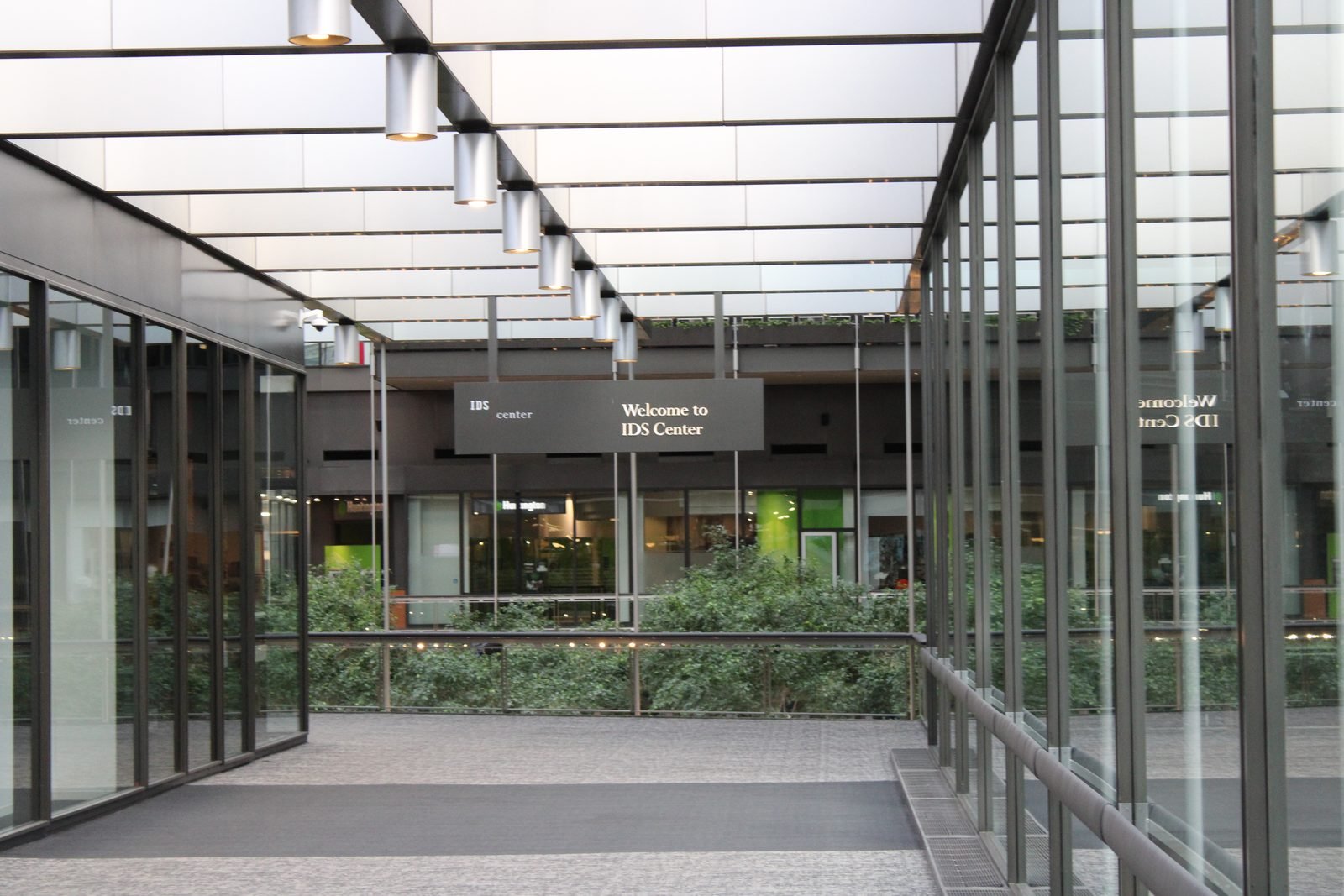
In most skyway buildings the second floor is marked “SK” in the elevator.
Each skyway bridge and corridor belongs to the building it connects, which is why hours vary from block to block. The city has debated an ordinance to standardize hours since 2025, but nothing has passed yet.
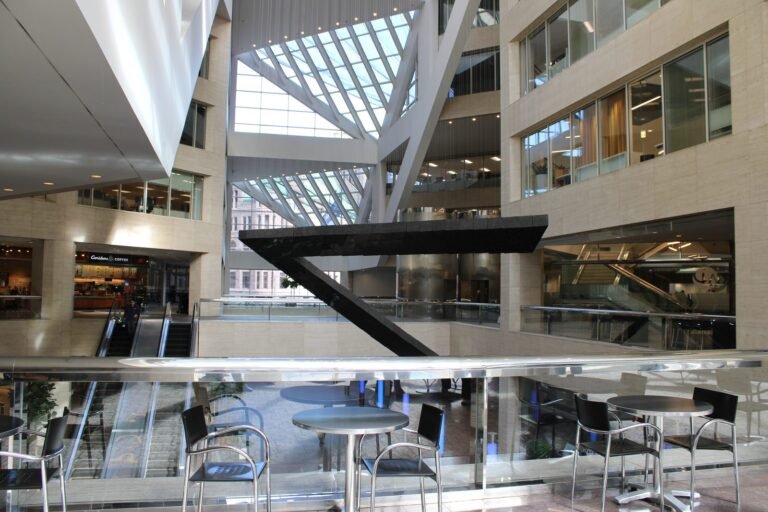
At 792 feet, IDS is still Minnesota’s tallest building, and its Crystal Court has been the skyway’s living room for over 50 years.
Gaviidae is the scientific name for the loon family, a nod to the state bird. The 1989 César Pelli building has an atrium ceiling painted to look like the northern sky.
George Dayton opened his store at 7th and Nicollet in 1902. In 1962, the year the first skyway went up, the Dayton company opened its first Target store in Roseville.
Target Center, Target Field, and U.S. Bank Stadium all tie into the system.
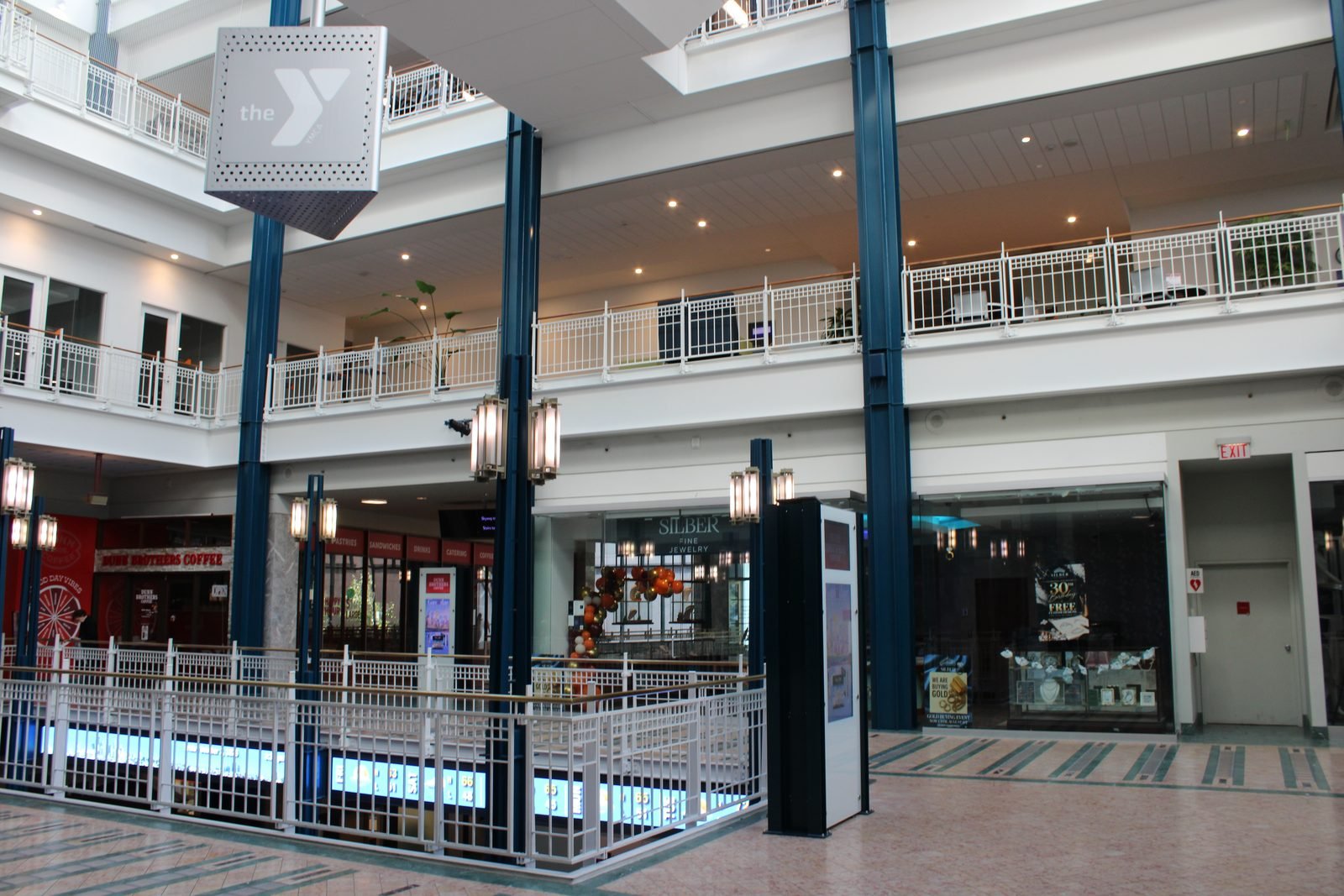
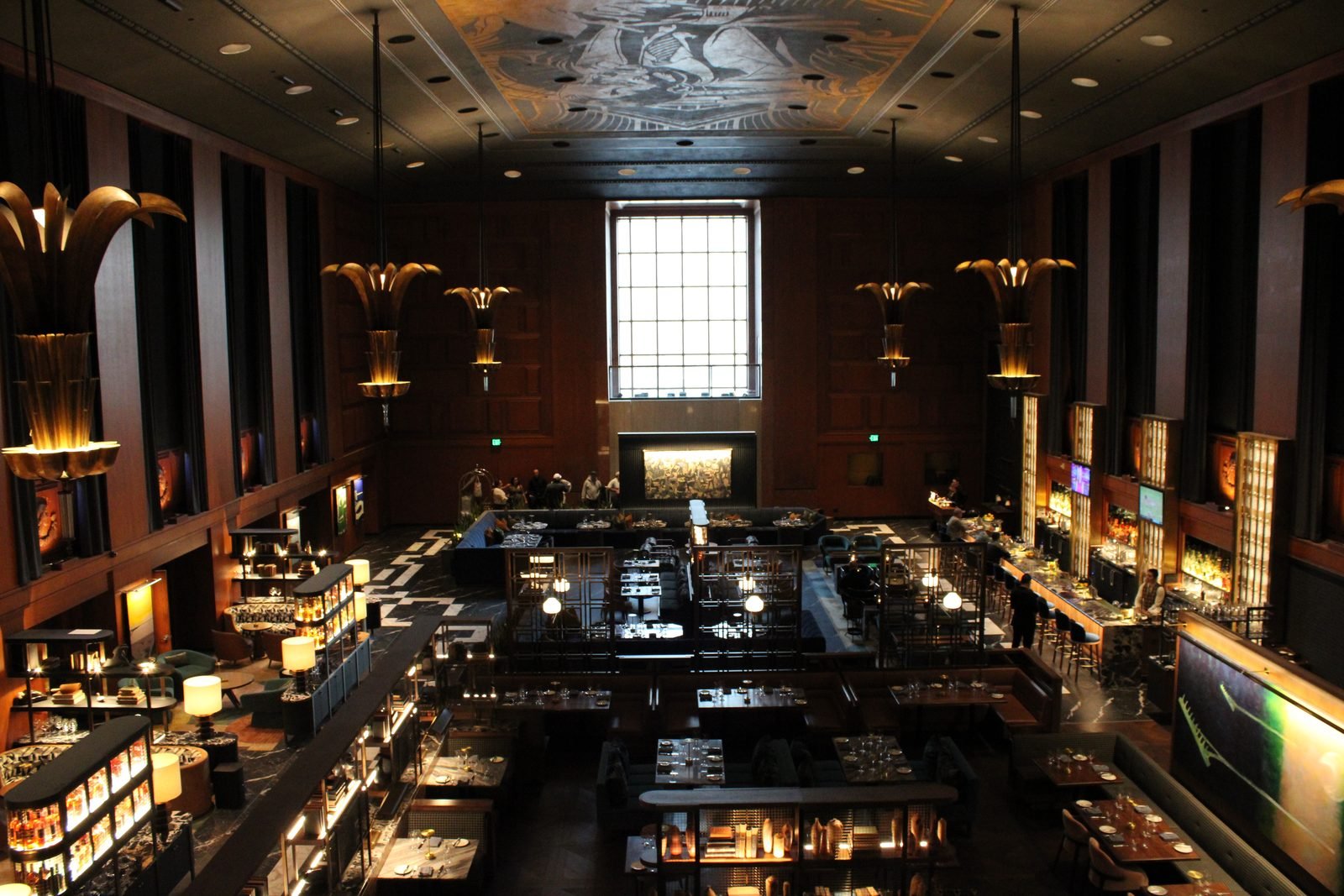
The best part is obvious: winter stops being a factor. If your building connects, you can get to work, the gym, the doctor, the library, a Timberwolves game, and a hotel bar for a visiting friend without ever putting on boots. Grocery runs to the Target store at 9th and Nicollet. A workout at the YMCA in Gaviidae. A book from Central Library.
The tradeoffs are real too, and you should know them before you buy.
Most skyway buildings are open until about 6 p.m. on weekdays, with shorter or no hours on weekends. If you picture strolling the skyway to dinner on a Saturday night in February, check the route first. The SkywayAccess map shows current hours.
Remote work hit the skyway hard, and close to 40% of downtown restaurant and retail space has sat empty in recent years.
As rents dropped, national chains pulled out and independent shops moved in: Gray Fox Coffee, Mother Dough Bakery, Still Grind at LaSalle Plaza, and more. Space that rented for about $3,000 a month before the pandemic can now go for a fraction of that.
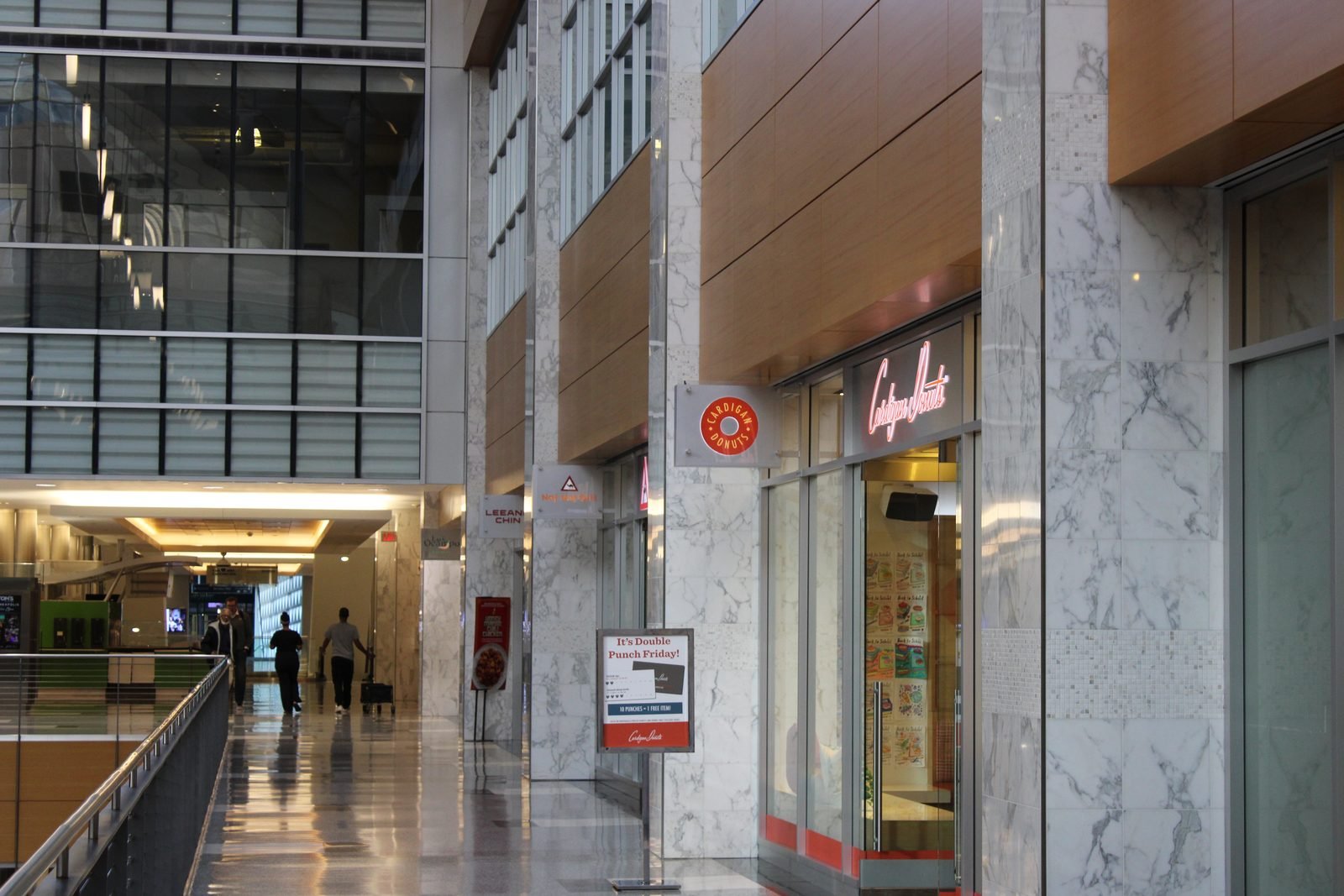
The Northstar Center, birthplace of the whole system, reopened after a $250 million redevelopment that turned its east tower into Groove Lofts, 216 apartments that opened in December 2024.
Downtown’s goal is 100,000 residents within a decade, and office-to-housing conversions like this one are a big part of the plan.
The skyway lives mostly in one neighborhood, but it touches several others, and some of the best downtown neighborhoods for skyway lovers are a short walk from it.
| Neighborhood | How it connects | Known for |
|---|---|---|
| Downtown West | The heart of the system: IDS, Gaviidae, Dayton’s, City Center, Target Center | Walking straight from your building into the skyway |
| Downtown East | Reaches U.S. Bank Stadium and the Commons edge | Newer condos, park space, game days |
| North Loop | Skyway ends at Target Field and Target Center, a few blocks from the warehouse district | Restaurants, lofts, the street-level scene |
| Loring Park | Street level. The Convention Center and south end of the skyway are a short walk | The park, the Walker, Twin Cities Pride |
| Elliot Park | Street level, steps from the east side of downtown | Value-priced condos and newer towers |

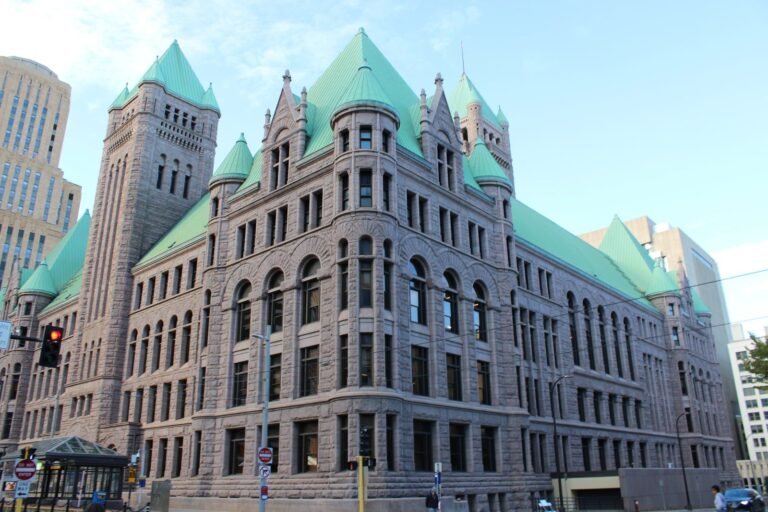
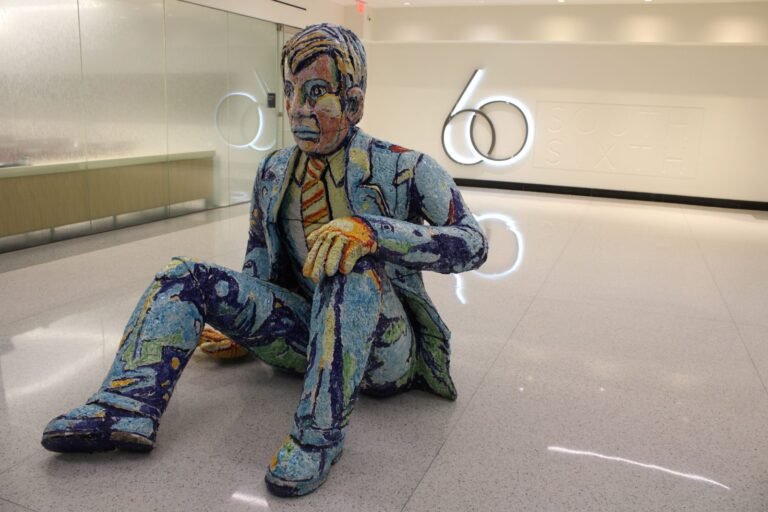
The buyers we meet downtown usually have one of these reasons in mind.
No yard, no roof, no shoveling, and one-level living with an elevator. If you’re weighing that move, start with our timeline for selling or downsizing.
Snowbirds and frequent travelers can close the door for three months and know the building is staffed, heated, and secure while they’re gone.
If your office is downtown, a skyway building turns a winter commute into an indoor walk. No parking contract, no icy sidewalks.
Groceries, the gym, the library, appointments, and the light rail are all within reach, and many owners find they can drop to one car or none.
Older skyway towers are among the lowest price per square foot downtown, which makes them a realistic first purchase. See the costs below.
Wolves and Lynx games, Twins games, Vikings Sundays, Orchestra Hall, and the theaters on Hennepin are all a short walk, most of it indoors.
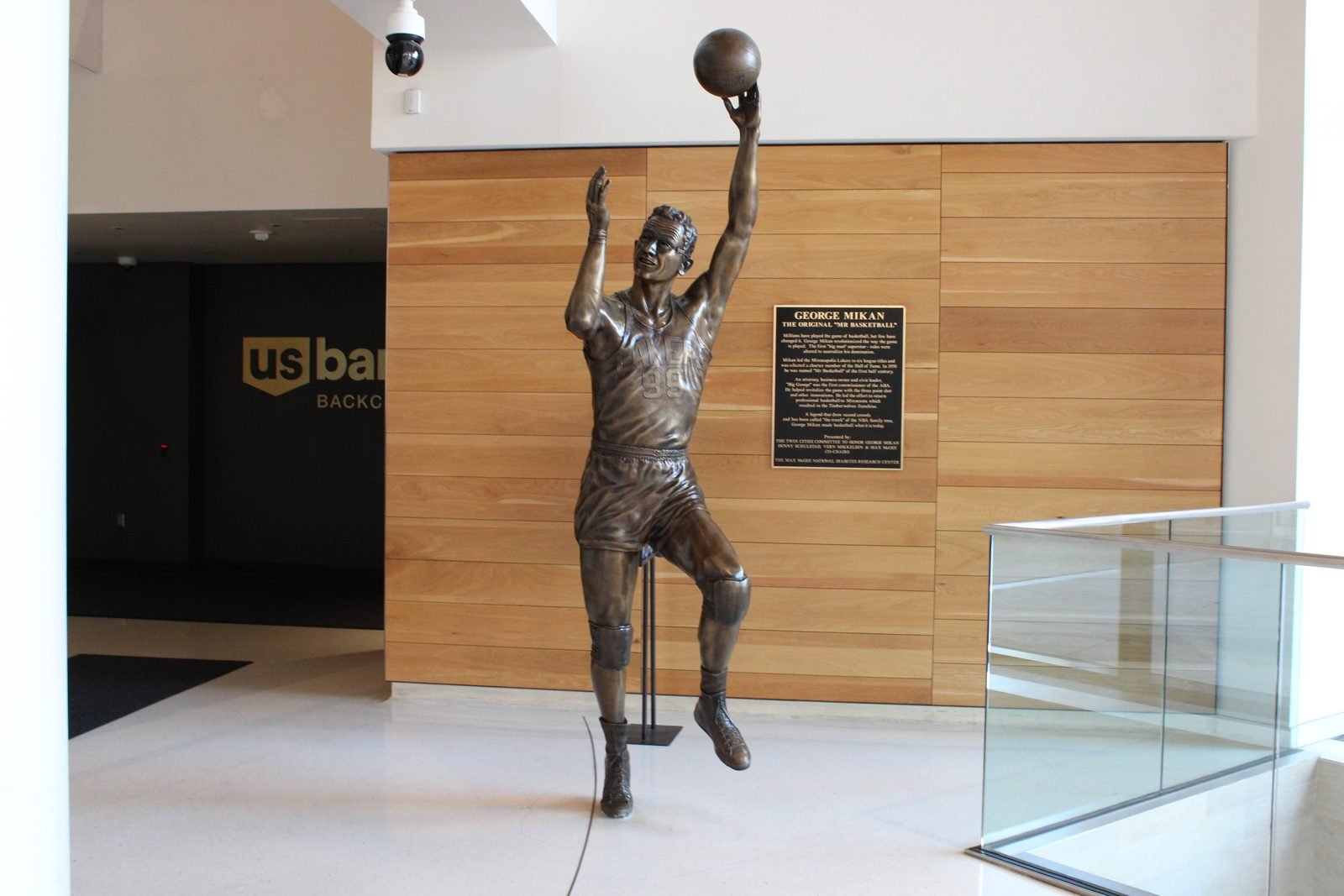
Here’s the surprise: some of the most affordable condos downtown are the ones connected to the skyway. Older skyway towers from the 1980s sell for about $170 to $220 per square foot. Compare that with $480 or more for riverfront buildings like The Carlyle.
| Skyway-connected building | Built | Median sale price | Price per sq ft | HOA per month |
|---|---|---|---|---|
| The Crossings | 1981 | $181,000 | $217 | $625 |
| Centre Village | 1985 | $120,000 | $174 | $739 |
| City Heights | 1982 | $80,000 | $171 | $544 |
| Ivy Residence | 2007 | $500,000 | $297 | $1,726 |
| Gateway Private Residences (Four Seasons) | 2022 | $2,325,000 | $1,235 | $3,222 |
Source: NorthstarMLS closed sales, 2023 through September 2026. HOA dues often cover heat, water, security, and building amenities. Check each building.
A $181,000 condo at The Crossings with 10% down and a 7.28% 30-year rate:
For a lot of renters, owning on the skyway costs less than renting near it. Renting on the skyway is an option too: Groove Lofts in Northstar Center lists apartments from about $1,260 for a studio to $4,490 for four bedrooms.
Every skyway-connected building in one place: HOA dues, price per square foot, pet rules, rental caps, FHA status, and which entrance connects and when.
About 9.5 miles of enclosed, climate-controlled walkways connecting roughly 80 blocks of downtown Minneapolis. It is often called the largest continuous skyway system in the world.
It depends on the building. Each skyway segment is owned by the building it connects, so hours vary. Most are open until about 6 p.m. on weekdays, with shorter or no hours on weekends. Check the SkywayAccess map for current hours before you plan a route.
Several downtown condo buildings connect directly, including The Crossings, Centre Village, Ivy Residence, and Gateway Private Residences. Connections and access hours can change, so confirm with the building before you buy.
Yes. A number of condo and apartment buildings connect straight into the system, so residents can reach work, groceries, the gym, and events without going outside. New conversions like Groove Lofts at Northstar Center are adding more homes on the skyway.
Skyway buildings are their own animal. Rental caps, FHA approval, special assessments, and which entrance actually connects (and when) all vary building by building, and they change what a condo is worth. That’s the part we know cold.
We live and work downtown. If you’re curious whether a skyway condo makes sense for you, grab our free Skyway Condo Guide or meet us for coffee at one of the new skyway cafes. We’ll buy.