
612.444.8049
Downtown Minneapolis
A local’s guide to the park, the condos, the history, and the neighborhood that has been the heart of LGBTQ life in the Twin Cities for more than fifty years.
34
Acres of park in the middle of it all
1883
Year the city bought the park land
91
Walk Score, one of the highest in Minneapolis
By Josh, MKT Real Estate Advisors · Last updated October 2026
It’s the last Saturday in June and hundreds of thousands of people are pouring into a park on the edge of downtown. Rainbow flags hang off balconies, music drifts across the water, and the skyline stands behind all of it. A few weeks later, the same park is quiet enough on a Tuesday morning that you can hear the cattails while someone walks their dog before work.
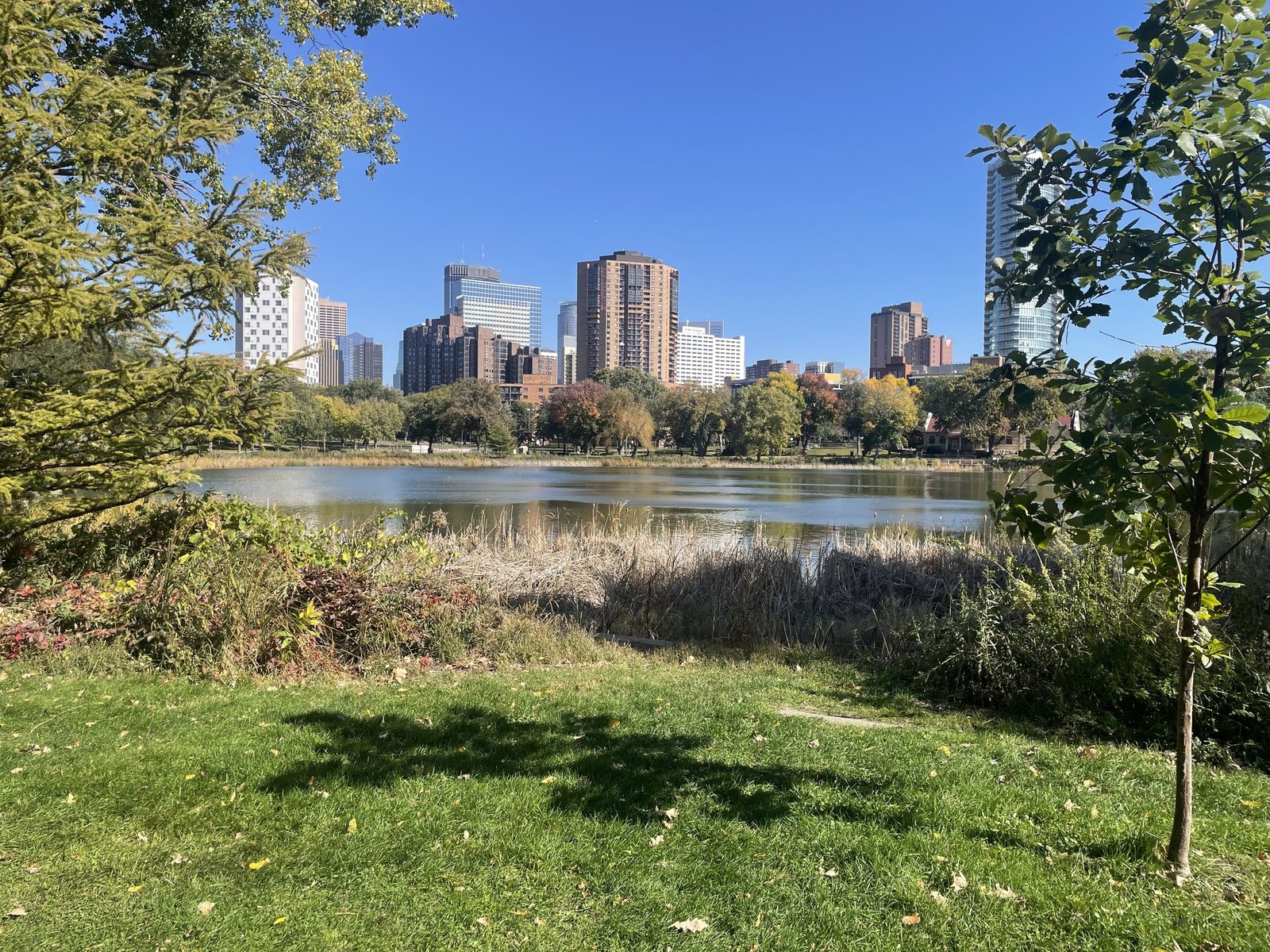
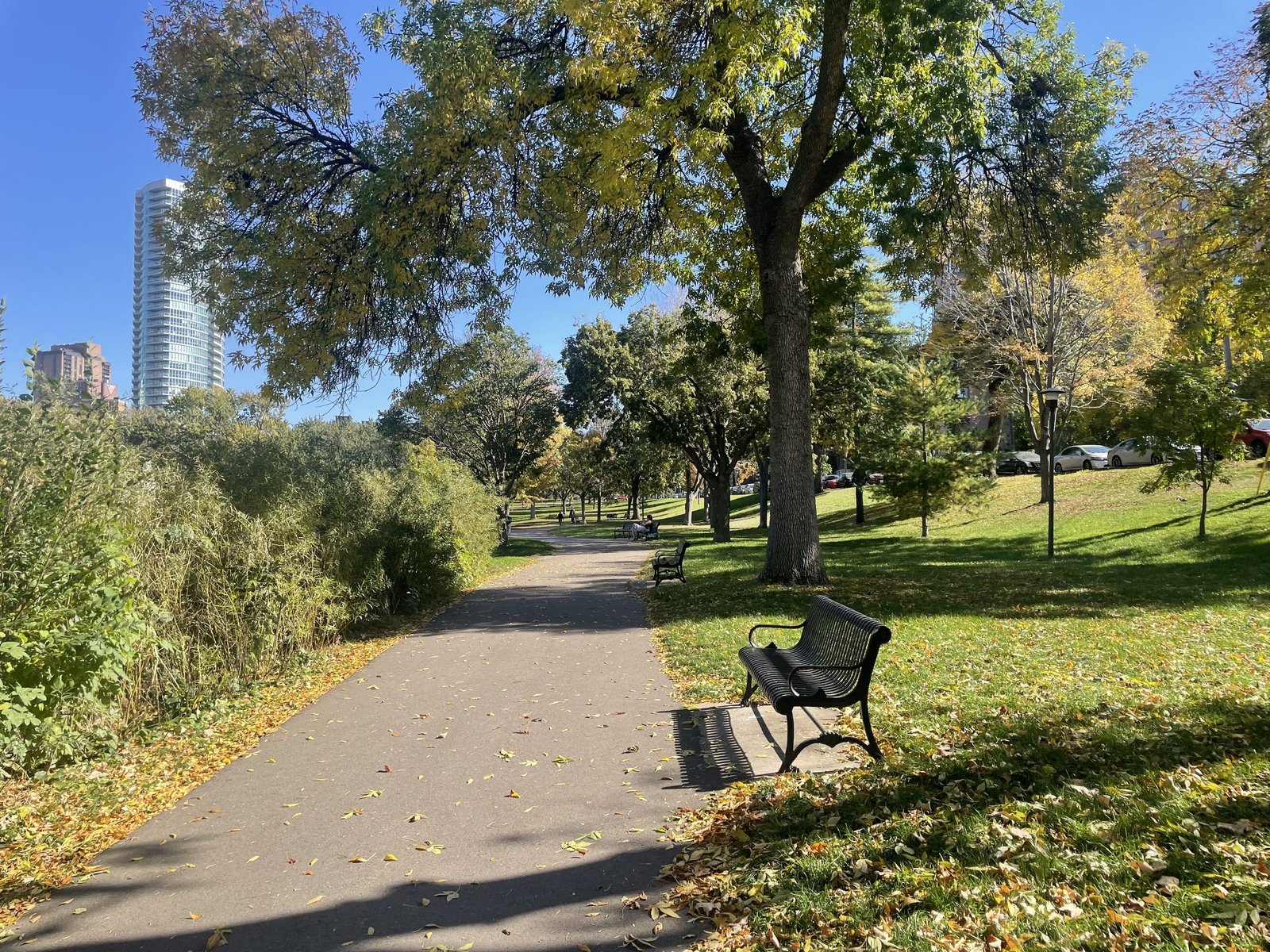
That’s Loring Park. It’s a 34 acre city park with a lake in the middle, a ring of condo towers and old brick apartment buildings around it, and Nicollet Mall about a ten minute walk away. The neighborhood is home to Twin Cities Pride, the Basilica of Saint Mary, an old auto row turned restaurant district, and one of the most walkable addresses in the state.
This guide covers how the park came to be, a few fun facts, what living here is actually like, what it costs to own, and who tends to move here. If you’re weighing a condo in Loring Park, this is what we’d tell you over coffee.
In 1883, the young Minneapolis park board bought about 30 acres of marshy land around a small lake on the southwest edge of downtown. They called it Central Park. Landscape architect Horace Cleveland laid it out, and the lake still has the figure eight shape you walk around today.
In 1890 the park was renamed for Charles M. Loring, the board’s first president and the man often called the father of Minneapolis parks. The lake, once known as Johnson’s Lake, had already earned its first claim to fame: in 1884 it became the first park in Minnesota lit up for winter skating.
Over the next century the park collected its landmarks: the Ole Bull statue in 1897, a Spanish Colonial shelter in 1906, the Berger Fountain in 1975, and the Loring Greenway in 1979, a garden walkway that links the park to Nicollet Mall. In 1988 Siah Armajani’s Irene Hixon Whitney Bridge went up over I-94, connecting the park to the Minneapolis Sculpture Garden and the Walker.
The neighborhood grew up around it just as fast. Harmon Place became the city’s Automobile Row in the early 1900s, the Basilica of Saint Mary opened in 1914, and apartment buildings filled in the streets around the lake.
Then in 1972, about 50 people gathered for what would become Twin Cities Pride. Half marched down Nicollet Mall and half waited in Loring Park holding bail money, and the day ended with a picnic in the park. Pride still calls the park home every June, and it has grown into the second largest event in Minnesota.
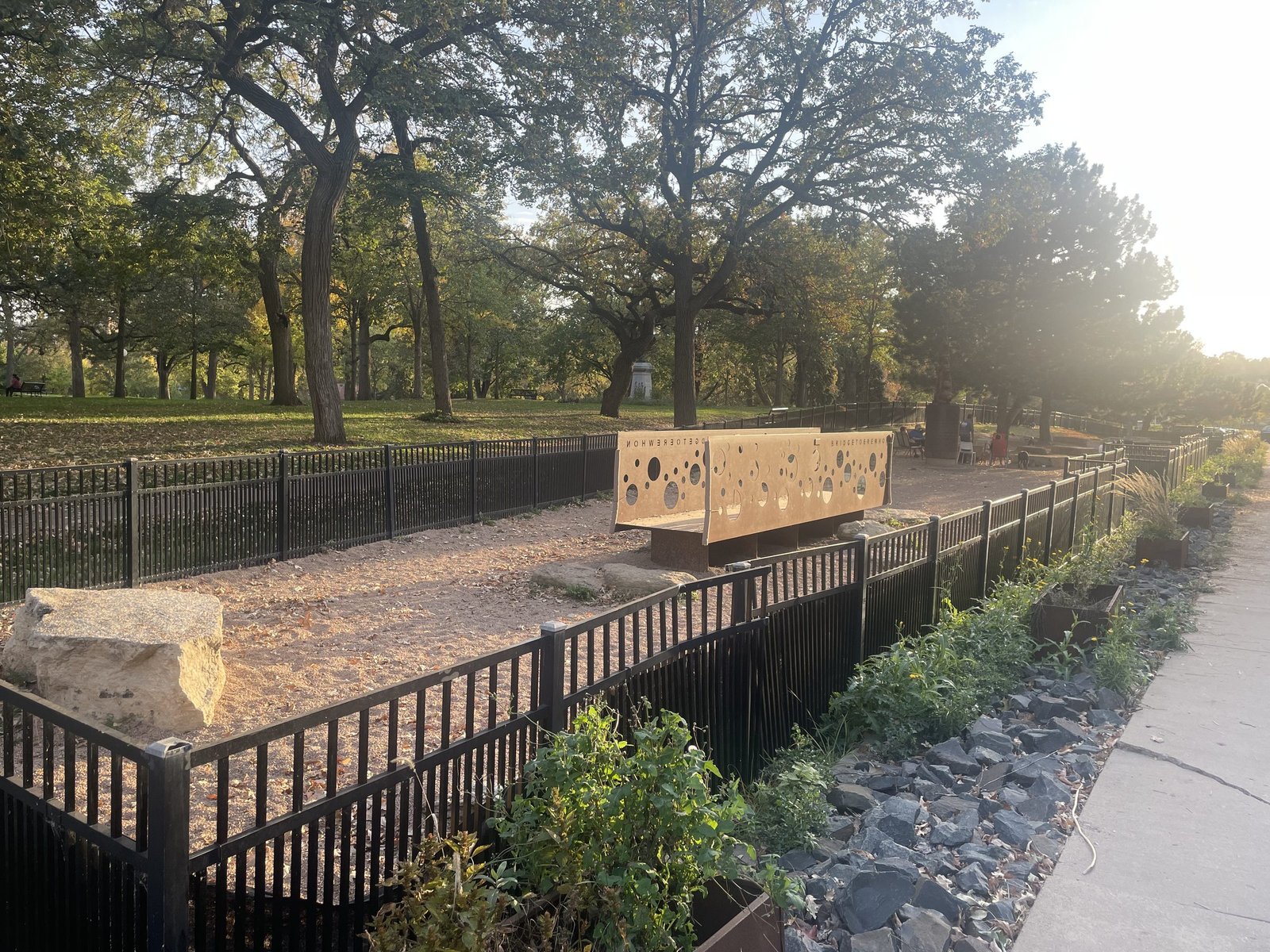
The art bridge inside the Loring Park dog park is called the Bridge to Erehwon. Spell it backward and you get nowhere, which is exactly where the bridge goes.
Siah Armajani’s Irene Hixon Whitney Bridge is baby blue on one half and yellow on the other, and a poem by John Ashbery runs along the inside. It crosses 16 lanes of I-94.
The Berger Fountain, the big dandelion near the lake, is modeled on the El Alamein Fountain in Sydney, Australia. Ben Berger gave it to the city in 1975.
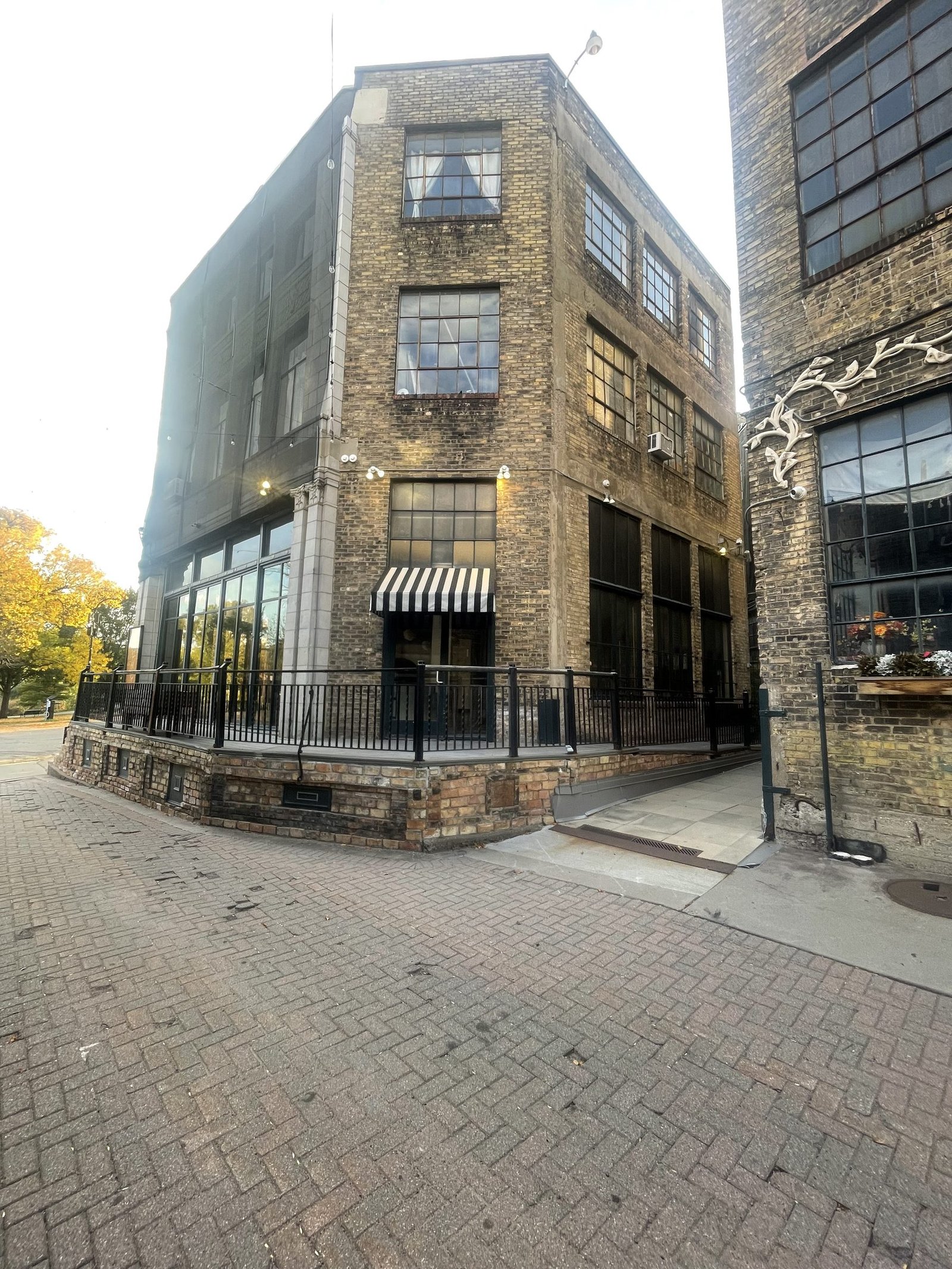
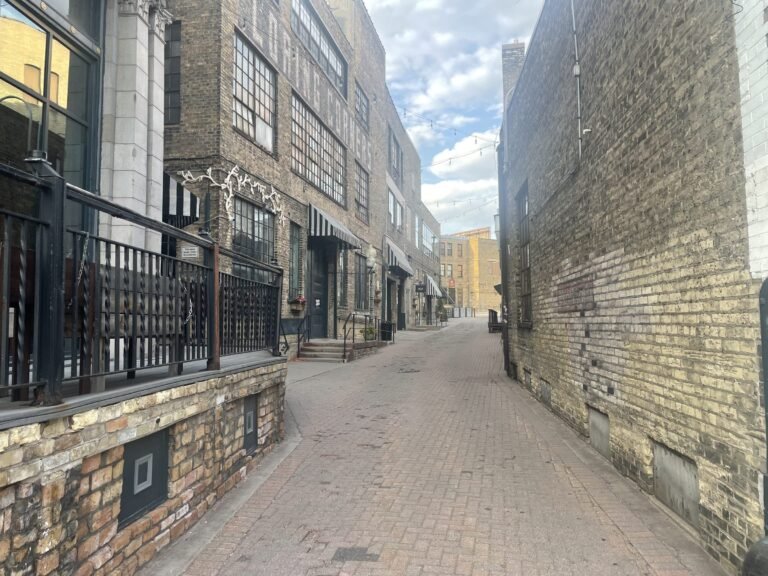
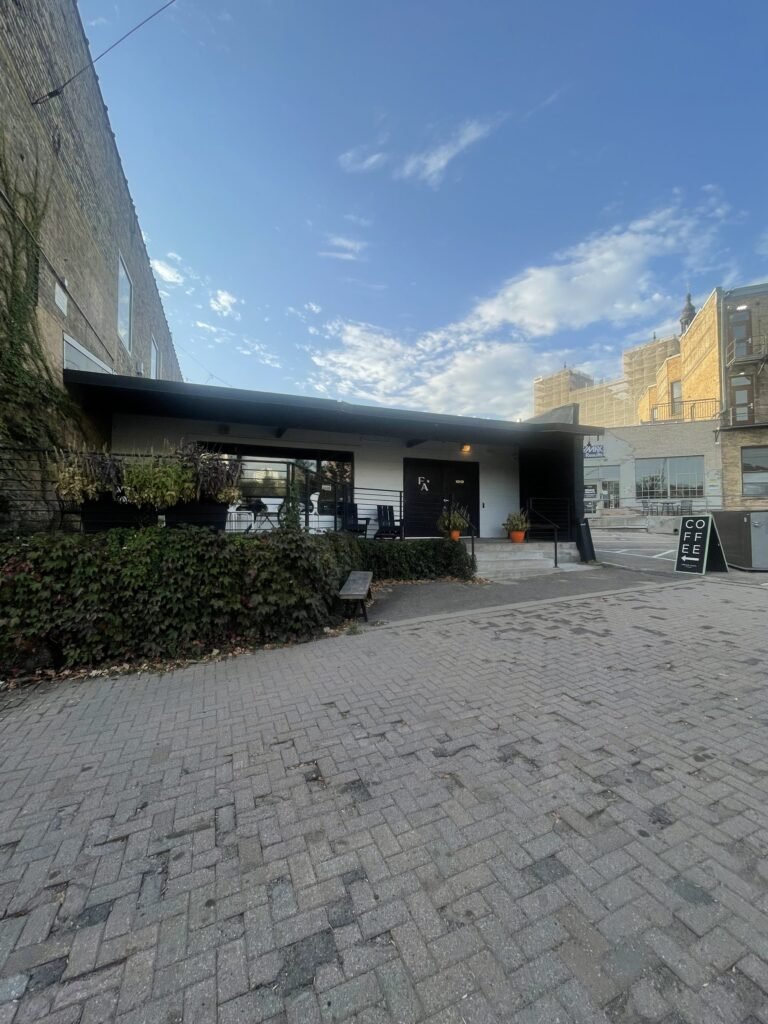
Fawkes Alley Coffee, tucked into the brick alley at Loring Corners, is run by Futsal Society. Its profits go to a free youth soccer league.
The brick buildings along Harmon Place were showrooms for the city’s early car dealers. Today the area is the locally designated Harmon Place Historic District.
At the first Pride in 1972, half the group stayed in Loring Park holding bail money in case the marchers were arrested. More than fifty years later, the festival draws hundreds of thousands of people to the same park.
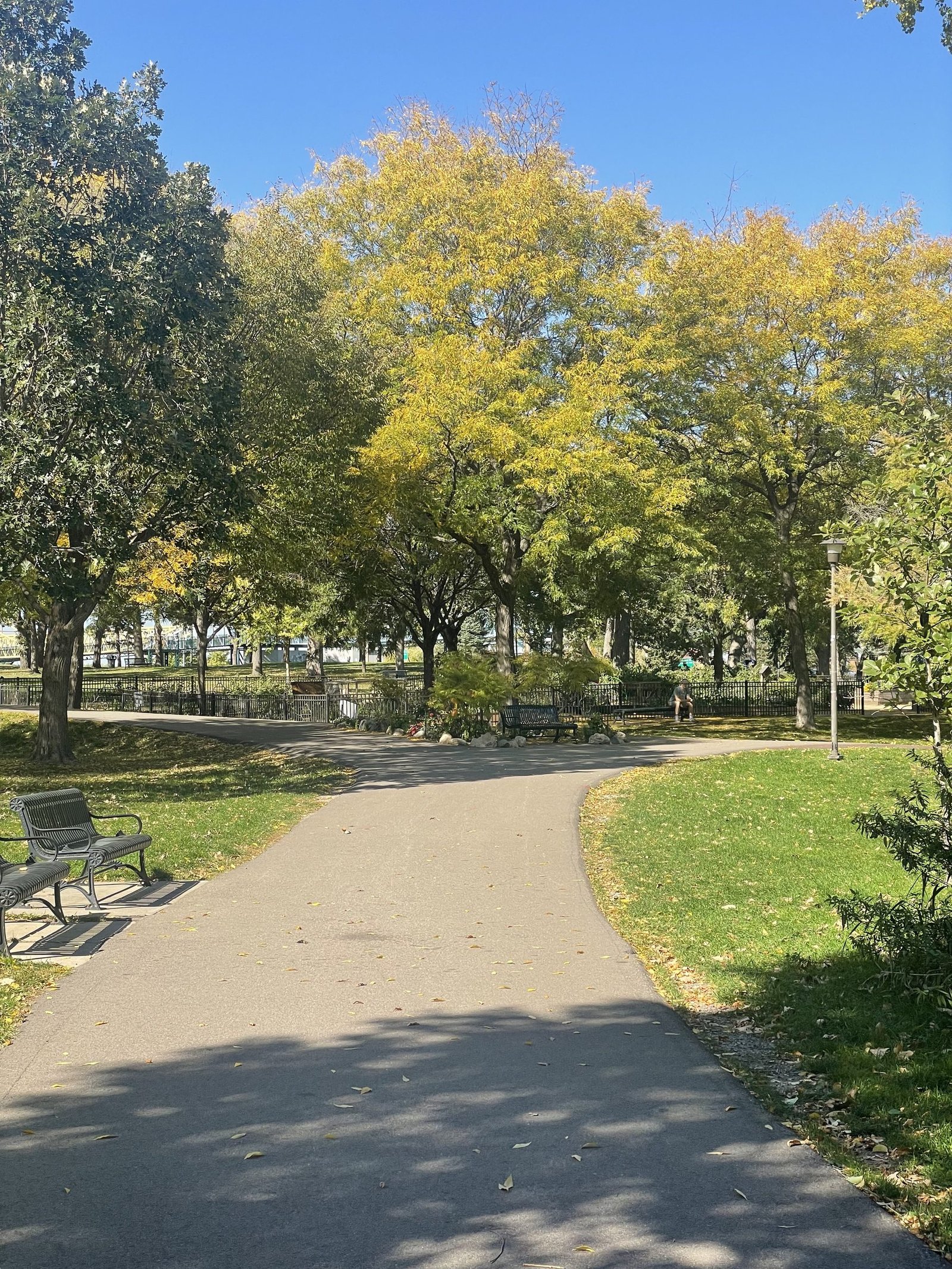
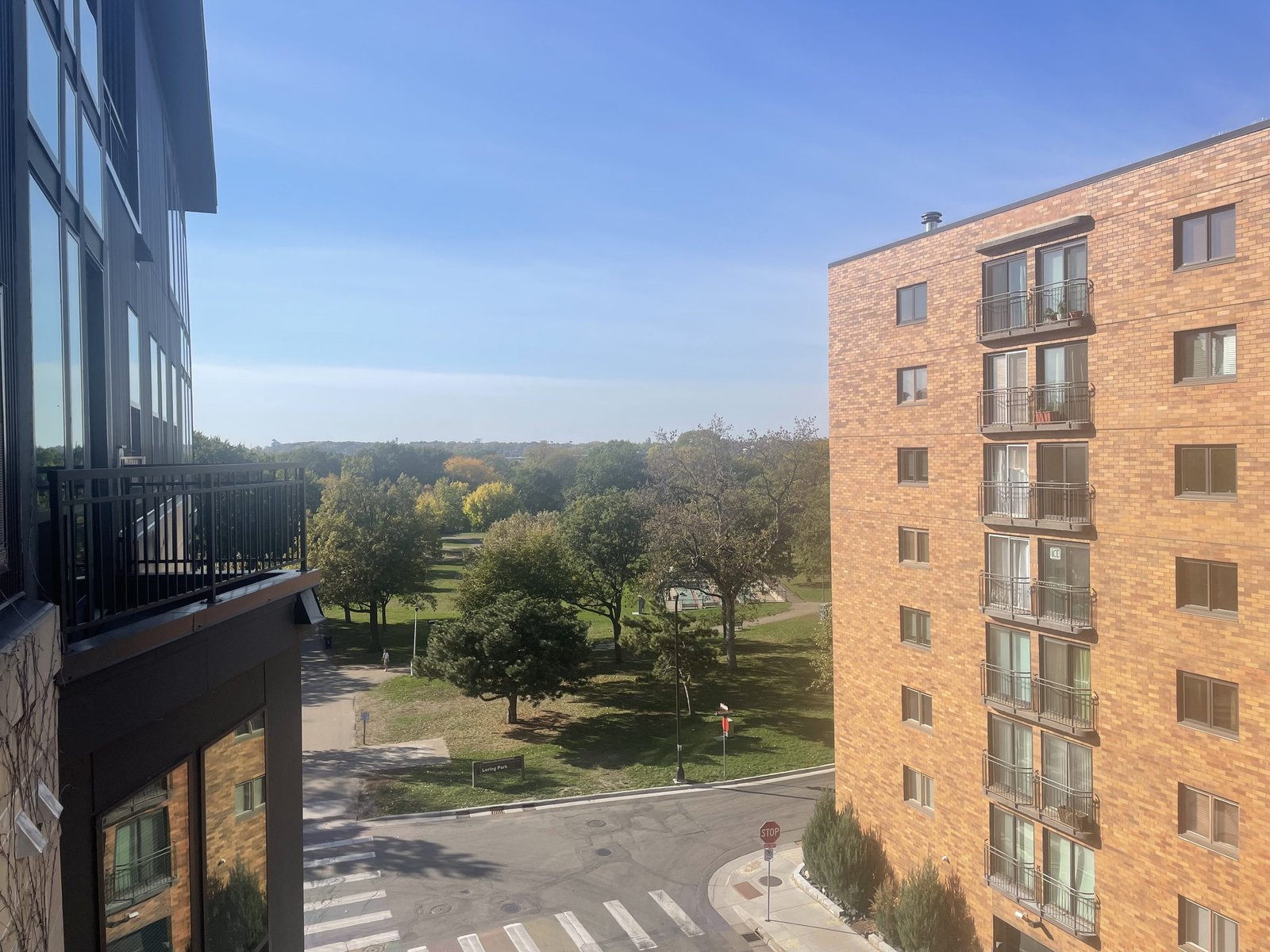
The best part is obvious the first morning you wake up here: the park is your front yard. You can walk the lake loop before work, take the dog to the off-leash park, and be on Nicollet Mall or at the Walker in about ten minutes. Walk Score rates Loring Park a 91, one of the most walkable neighborhoods in the city, and plenty of residents get by with one car or none.
The tradeoffs are real too. This is a dense, busy neighborhood, so expect sirens, events and some street noise, especially near Hennepin. Parking takes planning. And on Pride weekend the whole neighborhood belongs to the festival, which most residents love and a few plan their vacations around.
About two thirds of Loring Park households rent and roughly one in five own, according to recent census estimates. Owner-occupied condo buildings are a smaller, tighter slice of the neighborhood.
The average household here is 1.3 people. Expect studios, one bedrooms and two bedrooms, and very few single family homes anywhere in the neighborhood.
Summer brings Pride and the Loring Park Art Festival, winter brings Winterfest, and the lake loop is busy all year with walkers, runners and dog owners.
In January 2026 the city’s Heritage Preservation Commission backed a National Register nomination for the Fawkes Auto Complex at Loring Corners, the old auto buildings that now hold Fawkes Alley’s shops and patios. It’s one more sign that this neighborhood’s history is being kept, not torn down.
Loring Park the neighborhood is bigger than the park. It stretches from Lyndale Avenue and I-394 on the west and north to the downtown core and I-94 on the east and south, and each corner has its own feel.
| Spot | What is there | Why it matters |
|---|---|---|
| Loring Park and the lake | The lake loop, the dog park, the Berger Fountain and the Ole Bull statue | The center of neighborhood life and home base for Pride and the art festival |
| Harmon Place and Loring Corners | The old Automobile Row, now restaurants, shops and Fawkes Alley | A historic district full of brick, character and patios |
| Loring Greenway | A garden walkway about 1,500 feet long, lined with condos and apartments | A car-free walk from the park to Nicollet Mall |
| Hennepin Avenue | The Basilica of Saint Mary, St. Mark’s Episcopal Cathedral and Minneapolis College | Historic landmarks along a busy main street |
| Nicollet and the Music Box | The 1920 Loring Theater, now the Music Box, plus restaurants along Nicollet | Shows and dinner a few blocks from home |
| The bridge to the Walker | The Irene Hixon Whitney Bridge over I-94 | The Walker and the Sculpture Garden, a short walk from the park |
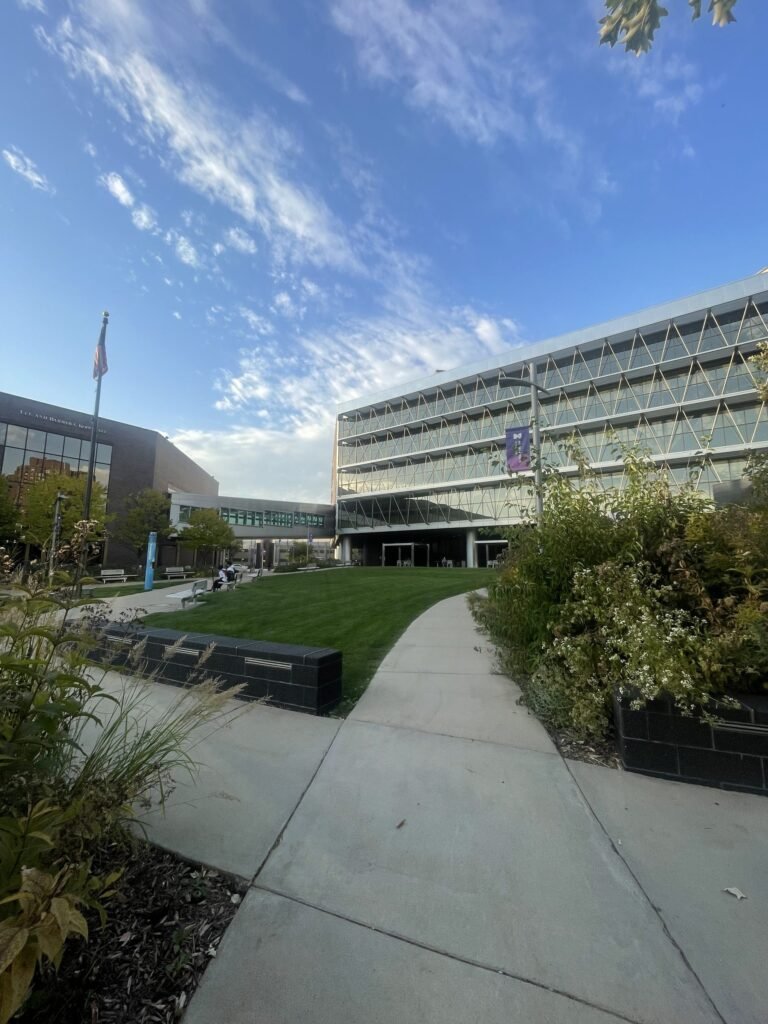
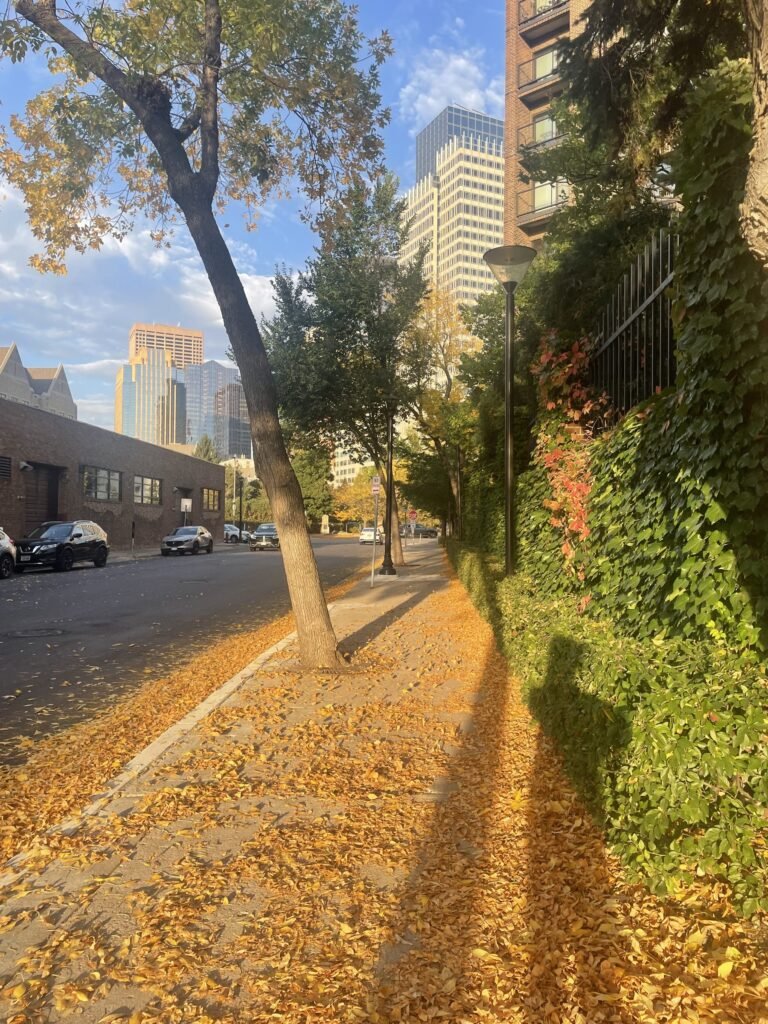
The buyers we meet in Loring Park usually want one of these things, and often a few at once.
Lake views, trails and green space right outside the door, and you never mow a lawn or shovel a driveway.
Empty nesters trade a house for a condo with a view, one level living and a neighborhood they actually walk.
Downtown offices are a short walk or bike ride away, and a lot of residents barely drive during the week.
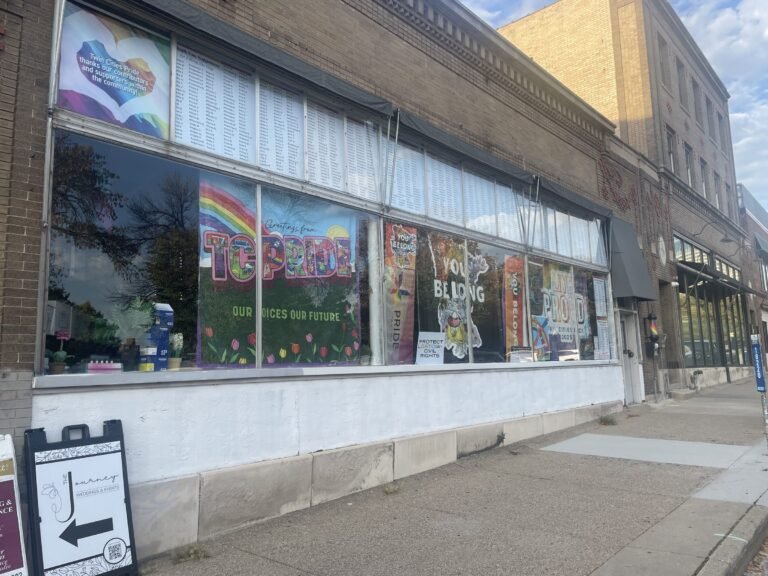
Loring Park has been at the center of LGBTQ life in the Twin Cities for more than fifty years. For a lot of our clients, that matters as much as the floor plan.
Loring Park condos are one of the more affordable ways to own near downtown. Run your own numbers in our rent vs. own calculator.
The Walker and the Sculpture Garden, the Music Box Theatre, Orchestra Hall and the Basilica are all within walking distance.
Loring Park is mostly a condo market, and prices swing a lot by building, floor and view. A studio in an older tower and a park view two bedroom can be hundreds of thousands of dollars apart. Here’s what the market looks like right now.
| Loring Park market | Right now |
|---|---|
| Median sale price | $244,931 (up 19.5% from a year ago) |
| Median days on market | 86 |
| Sale to list price | 95.7% |
| Median price per square foot | $165 |
| Homes sold in September | 12 |
Source: Redfin Loring Park housing market data, three months ending September 2026. Figures include all home types and change monthly.
Take a $245,000 Loring Park condo with 10% down at a 6.25% rate. That’s about $1,358 a month in principal and interest. Add HOA dues, which vary a lot by building, plus property taxes, and the monthly picture looks something like this:
Plenty of Loring Park renters already pay close to that once parking and pet fees are added in. Plug in your own rent, fees and HOA to see how it compares. HOA dues change the math more than anything else, so we always pull a building’s budget and dues history before you write an offer.
Already own in Loring Park? See what you’d walk away with after selling. Our seller net sheet figures Minnesota deed tax, closing costs and your loan payoff in a couple of minutes.
On the southwest edge of downtown Minneapolis. The neighborhood runs roughly from Lyndale Avenue and I-394 to 12th Street, Highway 65 and I-94, with the park itself in the middle.
Very few. Most homes here are condos and apartments, from historic brick buildings to high rises. If you want a house with a yard close by, Lowry Hill next door has more of them.
The median sale price for the three months ending September 2026 was about $245,000, according to Redfin, but prices range widely by building, floor and view. HOA dues vary just as much, so compare the full monthly cost, not just the price.
Very. Walk Score gives it a 91, one of the highest scores in Minneapolis, with strong transit and bike scores too.
Busy, loud and a lot of fun. The festival takes over the park on the last weekend of June. If you live on the park, expect crowds and street closures, and a front row seat.
I live in Loring Park, so this one is personal. We know these buildings and we’ll help you compare HOA budgets, views, parking and all the things that don’t show up in a listing.
Let’s grab a coffee in Fawkes Alley, on us.